Caring For Your Orchid
How do I care for an orchid at home?
Orchid care is simpler than most people think — it just needs the right balance.
Use a quality orchid fertiliser, water carefully (not too often), and keep your plant in bright, indirect light. Most indoor orchids thrive with a consistent routine rather than constant attention. With the right orchid care essentials, you can enjoy healthy growth and repeat blooms throughout the year.
Do orchids need special fertiliser?
Yes — using a specialist orchid fertiliser makes a noticeable difference.
Orchids have very specific nutrient needs, and standard houseplant feed won’t always deliver the same results. A balanced orchid feed supports strong roots, healthy leaves and encourages flowering. If you want long-lasting blooms, using the best fertiliser for orchids is key.
What is the best compost for orchids?
Orchids don’t grow in regular compost — they need airflow around their roots.
The best option is a free-draining orchid bark mix or specialist orchid potting mix. This mimics how orchids grow in nature and helps prevent root rot. Good orchid compost is essential for keeping your plant healthy long-term.
When should I repot an orchid?
Most orchids should be repotted every 12–18 months.
If the bark has broken down, the roots look crowded, or the plant is struggling to drain properly, it’s time to repot. Using fresh orchid compost and the right setup gives your plant space to grow and restores airflow to the roots.
How do I repot an orchid without damaging it?
Keep it simple and gentle.
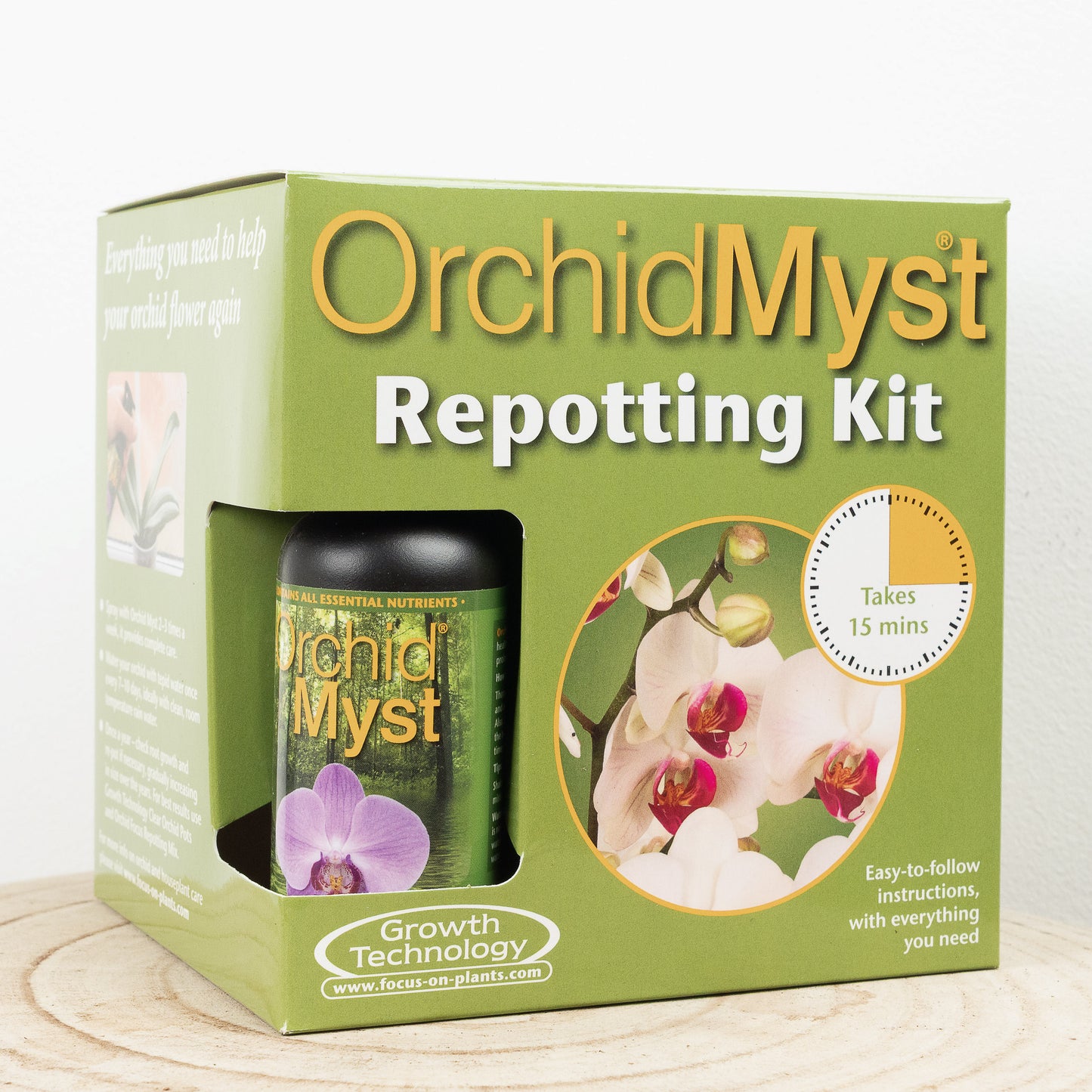
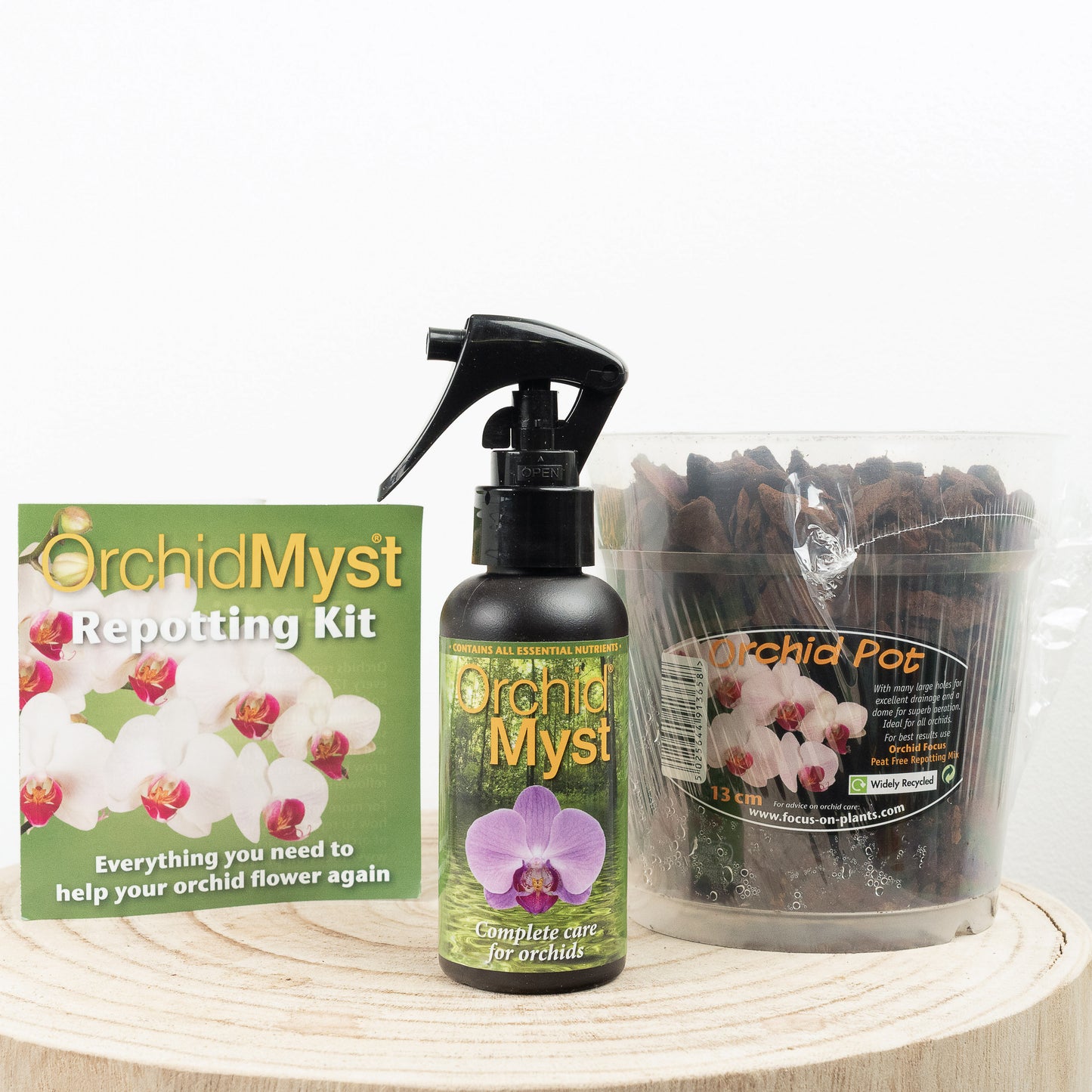
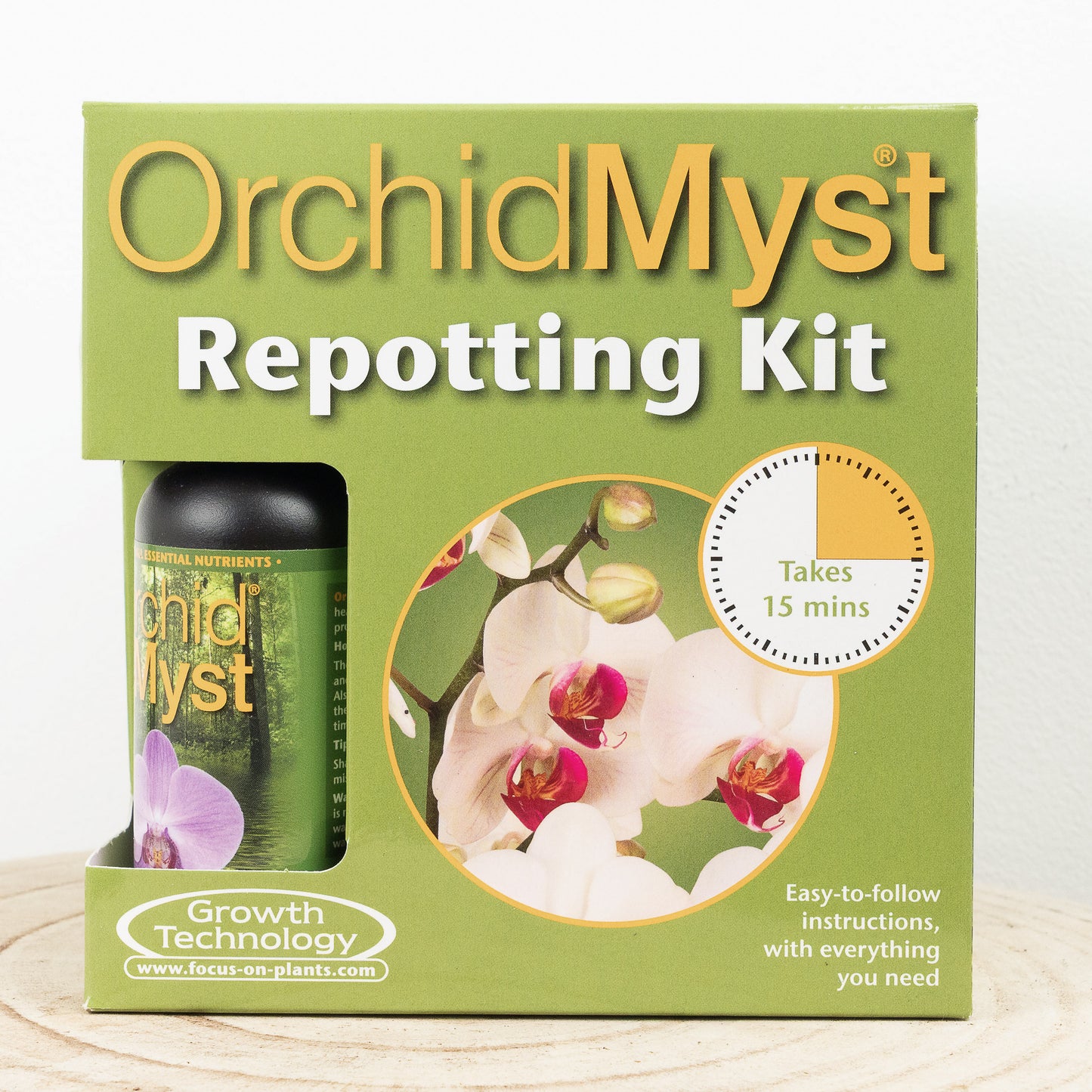
Remove the old bark, trim any dead roots, and place the plant into fresh orchid potting mix. Avoid compacting the mix too tightly — orchids prefer space and airflow. Using a proper orchid repotting kit or fresh bark mix makes the process much easier.
How often should I feed my orchid?
A little and often works best.
Most orchids benefit from feeding every 1–2 weeks during active growth using a diluted orchid fertiliser. During quieter periods, you can reduce feeding. Consistency is more important than strength when it comes to orchid nutrients.
Why isn’t my orchid flowering again?
This is usually down to feeding or light.
Orchids need the right nutrients and conditions to rebloom. Using a bloom-focused orchid feed and placing your plant in bright, indirect light can help trigger new flower spikes. With proper orchid care, most plants will flower again.



 Sale
Sale

